

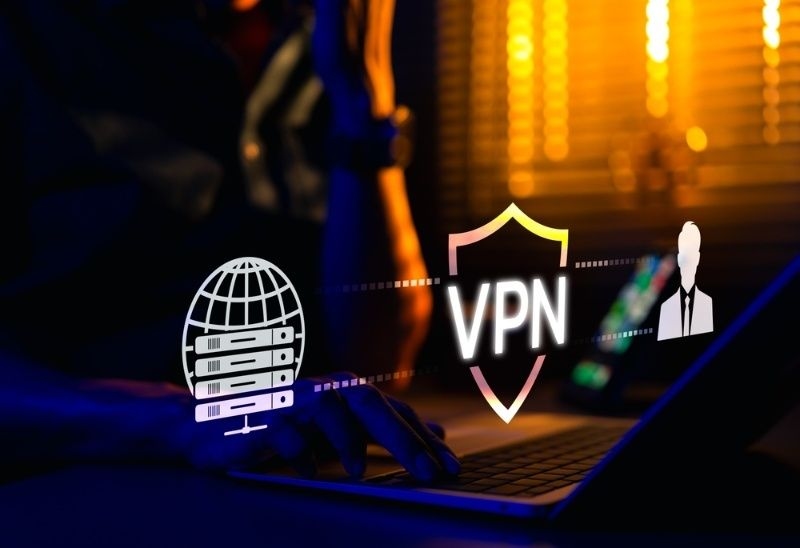
Protecting your online identity is critical these days in this hyper-connected world. This VPN Guide will help you learn about VPNs and their benefits. You will also receive practical tips for browsing the Internet securely.
Cyber threats continue to rise, but with a good guide to privacy on the Internet, you can use the help and learn about the best uses of a VPN so that you can browse safely, access the global Internet, and keep your sensitive personal information secure.
If you care about your online safety, you should read a VPN guide. You may have wondered, "What is a VPN?" or even googled "The benefits of using a VPN," which has taught you how to be safer while browsing the Internet. Following an online privacy guide and using safe browsing practices are no longer optional; they are necessary to ensure your safety online.
A Virtual Private Network (VPN) allows you to create a secure and encrypted connection between your computer or smartphone and the Internet. This means that your information will remain private even when you are connected to a public Wi-Fi network. Knowing how to use a VPN will help you feel confident about your browsing, keep your sensitive information protected, and let you browse freely on the Internet.
VPNs enable users' internet connections to be routed through secure servers instead of connecting directly to the websites they wish to visit. This not only hides your IP address from anyone (like hackers) who may want to gain access to your personal information but also encrypts all data you transfer back and forth over that connection, protecting it from tracking by trackers and Internet Service Providers (ISPs). This is why many experts say that using a VPN is essential for internet privacy (i.e., privacy partners).
Additionally, because the number of cyber threats continues to grow exponentially and will likely continue to increase rapidly through 2025, having a VPN (from a secure source) is one of the safest/most effective online browsing tips available today.
Due to the lack of privacy allowed to most hackers, advertisers, government entities, and even some state and local officials when attempting to track your online activity (which could occur either via web activities or email), it is imperative that all users use a Virtual Private Network (VPN) to hide their identity from potentially harmful & intrusive entities while they continue to use the internet.
A better understanding of VPN benefits can help you make informed choices about your online safety. VPNs are meant for more than just tech-savvy people—they're also great for anyone who cares about their privacy and security.
Online privacy and security are becoming increasingly important in the current digital world. Using a VPN encrypts your data as it travels over the internet. As a result, no one can see your internet traffic or read your important information, such as passwords, banking details, or private messages. This is one of several key principles in any guide to online privacy.
One of the most common uses of a VPN is bypassing geo-restricted content. Many streaming services, websites, and service providers prohibit certain types of access for users in certain areas (based on their geographic location). By using a VPN connection, you can access all of these services or websites regardless of your location.
Public Wi-Fi networks are among the easiest places for cybercriminals to launch attacks. When you connect to an unsecured Wi-Fi network, your data is not encrypted; therefore, your data is vulnerable.
Some of the best VPN security recommendations apply to travelers and remote workers, as a VPN provides encryption and keeps your data safe while traveling or working from home.
A VPN that changes your IP address makes it much harder for companies or advertisers to track you online.
This will make your online experience more private, and you will receive fewer targeted advertisements.
The right way to use a VPN is to learn when and how to apply it. This involves not only setting up a VPN but also knowing how to use it.
Every VPN service is not the same.
Make sure to select one that offers high-level encryption, does not log users' online activity, has fast connection speeds, and has many global locations where you can connect—these are the features that will give you the best VPN experience.
Whenever you use your VPN on the internet, do the following to prevent serious risks to your online security.
Please don't ever log in to a banking app or enter any confidential personal information unless you first activate your VPN. This means you will not be able to access banking apps or enter sensitive personal information over a public Wi-Fi connection unless your VPN is turned on.
Some of the best reasons to use a VPN are listed below.
To get the maximum security from your VPN, you should use it consistently.
Although a VPN is a very helpful tool on its own, the best results come when it is used alongside other security tools.
Using antivirus software, enabling two-step verification, and/or following an online privacy guide (in addition to using your VPN) will provide you with complete protection against external threats.
A dependable VPN guide leads you to a safer way to access the internet with better intelligence. Understanding how to use a VPN properly is essential for reviewing its advantages, how it can enhance security, and how it can improve your experience.
When combined with safe browsing practices, a good VPN provider, and an accurate guide to protecting your privacy online, you have full control over your online experience. In a world where your data is constantly at risk, a VPN is not merely a tool. Rather, it is something that you cannot afford to be without any longer.
By using a VPN, you gain access to low-latency game servers & are not subject to data cap limits on your Internet service provider (ISP). The VPN will also protect against Distributed Denial of Service (DDoS) attacks, improve stability, and help find better matchmaking servers. Each of these advantages, combined with enhanced security, allows users of all types of online gaming (competitive or otherwise) to benefit from using a VPN.
If remote employees utilize a VPN, their communication between devices & the company's data & services will be securely encrypted. In addition, all sensitive files (i.e., company name, employee names, and/or passwords) will remain secure. This greatly reduces the risk of those files being compromised while using public or shared networks worldwide.
While VPN use is allowed in most countries, some countries regulate or prohibit it. Therefore, it is recommended that users of any VPN check local laws before using the service. By doing this, you will ensure compliance while still enjoying safe browsing and enhanced privacy while using various online services.
A virtual private network (VPN) is a system because it hides your real IP address and encrypts your Internet traffic, thereby reducing the possibility of being tracked. VPNs do not have the capability to block cookies or fingerprinting on a web browser. Therefore, when used in conjunction with privacy-centric web browsers and browser extensions, they can help create additional layers of defense against more advanced tracking methods used by many advertisers and websites.
When using the Internet with a VPN, speeds may be slightly slower because of how VPNs work (encryption can slow transfer speeds, and distance from the VPN server can affect performance). Most premium-quality VPN services have servers optimized to minimize the impact of VPN use on a user's Internet speed. In fact, users may experience faster Internet speeds by bypassing their Internet service provider's (ISP) throttling, enabling faster streaming, browsing, or downloading.
This content was created by AI