

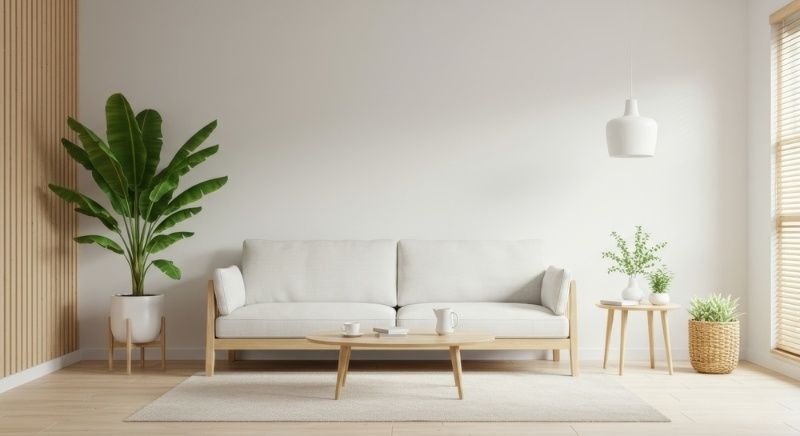
Life gets crowded in sneaky ways. Not always with huge, dramatic things. Usually with small stuff. Extra clothes in the closet. Random kitchen tools nobody uses. Too many tabs open. Too many plans. Too many little obligations that somehow turn into a full mental traffic jam by Thursday afternoon.
That is why a minimalist lifestyle keeps pulling people in. Not because everyone wants a blank white apartment with one chair and a plant. Most people do not. They just want less chaos. Less visual noise. Less wasted time. Less of that strange feeling that they are constantly managing things they do not even care about.
And that is really what minimalism can offer when it is done in a normal, human way.
It is not about owning the fewest things possible. It is about making room for what matters and dropping what does not. Easier said than done, sure. Still worth doing.
A lot of people are not chasing minimalism because it looks trendy. They are chasing relief.
They are tired of cleaning around clutter. Tired of buying things that solve nothing. Tired of spending money on stuff that feels exciting for ten minutes and then becomes another item to store, manage, or regret. It adds up.
That is where the real minimalism benefits start to show. A simpler home often feels calmer. A simpler schedule feels easier to breathe in. Fewer choices can even make the day less exhausting. Strange but true. Too many options wear people out faster than they expect.
This does not mean every person needs the same version of simple living. One person may want fewer clothes. Another may want fewer social obligations. Someone else may just want a kitchen counter they can actually see. All valid.
This is where people usually mess up. They get inspired, pull everything out of three rooms at once, create a disaster, get overwhelmed, and then quietly give up by dinner.
A better move is smaller. One drawer. One shelf. One bathroom cabinet. That is enough to start. The point is not to finish the whole house in one dramatic weekend. The point is to build momentum without making life harder. A little success helps people trust the process. A giant pile of stuff on the floor usually does the opposite.
This is one of the most useful declutter home guide ideas to remember: simplify in sections, not in explosions. Slow works better than dramatic. Usually.
Minimalism becomes much easier when people stop asking, “Should I get rid of this?” and start asking, “Why am I keeping it?”
That question changes everything. If something gets used regularly, it probably stays. If it is genuinely loved, that matters too. And if it serves a real purpose, good. Keep it. Minimalism is not a punishment. Nobody gets extra points for throwing out useful winter jackets or the one pan they actually cook with.
But things that are broken, forgotten, duplicated, or kept out of guilt? Those deserve a second look. This is where simple living tips start feeling practical instead of abstract. Keep the things that support real life. Let go of the things that just sit there asking to be cleaned around.
People often talk about physical clutter first because it is easy to see. The bigger problem, though, is often mental clutter. Too many unfinished tasks. Too many commitments made out of politeness. Too many apps buzzing for attention. Too many things being mentally carried at once. That kind of overload can make even a tidy home feel stressful.
A minimalist lifestyle works better when it reaches beyond closets and storage bins. It should also touch routines, digital habits, and expectations. Maybe that means unsubscribing from pointless emails. Maybe it means saying no more often. Maybe it means not trying to optimize every second of the day like some productivity robot. Less clutter in the mind matters just as much as less clutter in the room.
One of the fastest ways to undo progress is to keep bringing in more than goes out. That sounds obvious. It is still where a lot of people get stuck. They declutter beautifully, feel proud for two days, then buy six organizing products, three decorative baskets, and a chair they did not need because they were “refreshing the space.” Suddenly the clutter is back. Just in nicer packaging.
Living with a less is more lifestyle means slowing down the buying cycle. Before purchasing something, it helps to pause and ask, "Is this useful?" Is it replacing something? Will it still matter in a month? Or is this just a quick hit of excitement pretending to be a need?
Sometimes the answer will still be yes. Fine. Buy it. But buy with awareness, not habit. That one shift alone changes a lot.
Minimalism is not about turning life into a polished aesthetic. It is about removing friction. That is why the best changes are often boring. A smaller wardrobe that makes getting dressed easier. Fewer kitchen tools that make drawers less annoying. A simpler morning routine. Fewer products in the bathroom. A more realistic to-do list.
These are the kinds of organized life tips that actually last because they make daily life smoother. Not prettier for the internet. Just easier.
And that matters. A lot more than matching storage jars, honestly. People stick with simplicity when it feels supportive. They abandon it when it starts feeling performative.
This is worth saying clearly because minimalism gets misunderstood all the time.
A home can be warm, colorful, and personal and still be minimal. It can have books, art, plants, cozy blankets, and sentimental objects. The goal is not emptiness. The goal is intention.
If everything in the room has a reason to be there, the space usually feels better. Not because it is sterile, but because it is not fighting itself. There is room to move. Room to think. Room for the things that matter to stand out.
That is one of the most overlooked minimalism benefits. It helps the good things get noticed. When a room is packed with stuff, even beautiful things lose their impact. A little breathing room does wonders.
Some people declutter the house and still feel overwhelmed because the real problem is the calendar. Too many social plans. Too many errands. Too many yeses handed out automatically. Simplicity at home helps, but it can only do so much if life outside the home is packed to the edges all the time.
That is why a real minimalist lifestyle often includes time boundaries too. Fewer obligations. More margin. More evenings that are not booked down to the minute. Less rushing between things that did not really need to be scheduled in the first place.
This part can feel uncomfortable because it involves disappointing people sometimes. Not dramatically. Just honestly. But protecting time is one of the strongest ways to make life feel lighter. A simpler calendar is often the hidden half of simple living.
This one is tough. A lot of clutter exists because people keep buying for the person they imagine they will become. The gourmet cook. The marathon runner. The scrapbook genius. The person who definitely starts making candles, journaling every morning, and hosting elegant dinner parties twice a month.
Maybe that person is real someday. Maybe not. But keeping piles of stuff for a fantasy version of life can create a weird kind of pressure. The object is no longer useful. It becomes a reminder of something not happening. That is heavier than people realize.
Part of a declutter home guide that actually works is learning to keep items for the life someone has now, not only the one they keep imagining they will have. That shift feels surprisingly freeing.
This is probably the most important part of all. Minimalism works best when it is flexible. Not rigid. Not punishing. Not a contest to see who can live with the fewest forks. A person should be able to keep what supports their real life, their comfort, and their joy.
Some people need more tools. Some need hobby supplies. Some need sentimental items nearby. Some live in small spaces and need stricter limits. Others do not. The right version of simplicity is the one that makes life feel calmer, not smaller in a miserable way.
That is what makes simple living tips genuinely useful. They are not about forcing everyone into one template. They are about clearing enough space, physically and mentally, to live with more ease. And honestly, most people want that more than they want perfection.
Big decluttering weekends can feel dramatic and satisfying. But the real change usually comes later, in the quiet habits.
That is how a less is more lifestyle starts becoming real life instead of a nice idea. And once that shift happens, something interesting tends to follow. People feel a little lighter. A little clearer. A little less buried by their own surroundings.
Not because everything became perfect. It will not. But because there is finally more room for the parts of life that actually deserve attention. That is the real power of a minimalist lifestyle. It does not just clear shelves. It clears space for living.
Yes, absolutely. Minimalism does not need one huge clean-out to count. Many people do better with gradual change because it feels less stressful and gives them time to make thoughtful decisions.
Sometimes, but not always immediately. The biggest savings usually come over time when a person buys less, avoids duplicates, and becomes more intentional about what comes into the home.
By focusing on function first. Simplify shared spaces, reduce obvious clutter, and involve everyone in small decisions instead of forcing extreme rules. It works better when the goal is ease, not control.
This content was created by AI