

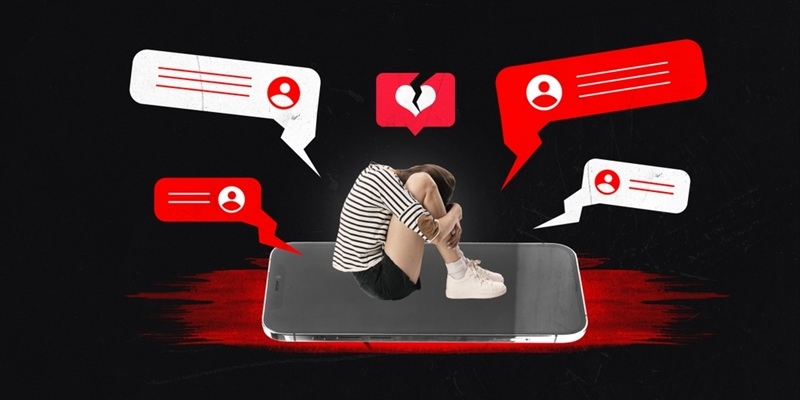
Social media’s pretty much woven into every part of our day now. You wake up, check your feed, and before you even realize it, half your morning’s gone. Same thing at night—scrolling until you’re too tired to keep your eyes open. It's amazing how ingrained social media impact is in people's routines and continues to influence people's attitudes, actions, and views about themselves.
This blog will share some practical ways to keep it from taking over.
These platforms aren’t just trying to connect you—they’re built to keep your attention. You can catch up with friends, watch funny videos, learn new things, or just burn time. But as usage goes up, the effects become pretty hard to ignore.
Look around; everyone’s glued to their phones. Notifications and likes give your brain little rewards that keep you coming back for more. Pretty soon, those online habits start messing with your focus. They eat into your sleep and make face-to-face moments feel less important.
It’s wild how much influence these platforms have on our choices—what we eat, wear, buy, or even where we hang out. It shapes our free time and what we think matters.
A lot of folks start their day scrolling—sometimes before they even brush their teeth. It becomes easy to get sucked into updates instead of doing stuff you actually need to do. Productivity drops, and your to-do list gets longer.
The current trends in fashion, gadgets, travel, and everything else are all over the internet. It's easy to get caught up in the hype of everyone else and attempt to follow along, even if what they are doing is not realistic or worth the money. In addition to putting an additional strain on your wallet, there is also the added pressure of creating unrealistic expectations for yourself.
The more time you spend indoors staring at a screen, the less you move. That means less exercise, which can lead to health problems pretty fast.
Scrolling through “perfect” photos and stories, it’s hard not to size yourself up. Most of what you see is curated, and the comparison game never seems to end.
Let’s give credit where it’s due. Social media isn’t always draining—it actually has a lot of benefits if you use it on purpose.
With just one tap, you are able to contact your friends and family wherever in the world they are. Besides the fact that it connects people, it is especially useful when a meeting is not possible.
There is a huge amount of information. If you want to learn a new skill or keep yourself updated, there are tutorials, news, and life hacks.
You can find great online communities if you are having a hard time or want to share your passion. You’ll find communities for health, careers, and hobbies, which makes it easier to feel understood.
Creative folks love social media. Posts, videos, blogs—whatever suits you, it’s a place to show your ideas and boost your confidence.
Still, let’s not gloss over the damage it can do when you’re chained to your phone.
Too many notifications create the feeling that you have to be available all the time. That constant pressure really does a number on your nerves.
Comparing yourself to everyone’s highlight reel is exhausting. You start feeling like you’re not good enough, even though it’s all filtered and edited.
Scrolling late at night means less sleep and worse routines. You wake up tired, your day gets harder, and your mood tanks.
Social media is addictive on purpose. The more you use it, the harder it is to unplug, and that dependency isn’t easy to shake.
Beyond online habits, social media pulls your feelings all over the place.
Sometimes you scroll past something uplifting and feel great. The next minute, bad news or negativity pops up, and your mood sinks. It’s a rollercoaster that happens every time you log in.
FOMO happens a lot with all that social media use we see. Watching others having fun at events or hitting their goals can really put pressure on us, and let me tell you, that affects our mental health like crazy.
And then there is this need for validation. Those likes and comments? People start to see how valuable they are. That right there is a big part of the social media struggle, since we often look for that online thumbs-up to feel happy.
So, when folks are glued to their screens, the face-to-face talks just go down the drain, you know? Spending time in the digital world can really mess up our real-life connections and relationships over time.
Now, it looks like folks are waking up to their online habits. Many are trying to be more mindful about scrolling through their feeds and limiting their screen time.
The increasing presence of social media has increased people's understanding of the relationship between social media use and mental health.
It is interesting to note that users now prefer content that really means something instead of just scrolling through endless stuff. This shift in how we spend time online speaks to a more conscious approach to social media.
Finding a balance is like the big goal now, right? If we set some boundaries and take breaks, we can handle the effects of social media way better.
To really get a grip on the effects of social media, understanding what it does is a huge first step. Here are some easy tips to keep things in check:
Do not forget to spend quality time with the people you care about, offline! That helps balance out the social media craziness and fortifies those real-life relationships.
Honestly, social media is a huge part of our lives these days, affecting how we think, act, and connect with others. Yes, there are some perks and dangers, but at the end of the day, balance is what we need.
Social media should enhance our lives. It should be something that adds value, not runs our lives. With the right mindset, we can enjoy the perks of social media while keeping our mental health intact.
Social media can negatively impact our focus by providing a steady stream of distractions, such as notifications and the tendency to keep scrolling. It interrupts our focus, prompts multitasking, and generally makes it more challenging to effectively finish tasks throughout the day.
Social media can indeed get users hooked because the brain gets a dopamine rush from receiving likes and comments. The design, which aims at inducing this pleasure, makes it rather hard for users to put limits on their screen time.
Time management, unfollowing depressing materials, taking breaks, and living real-life moments that make you happy and emotionally balanced are good tips to follow if you want to deal with social-media-related stress.
Most people do not have to do without social media altogether. It is all about using it in moderation, developing mindful habits, and at the same time reaping the benefits without negatively affecting one's mental and emotional health.
This content was created by AI